
What Does Due Diligence Cost? A Real Breakdown by Deal Size
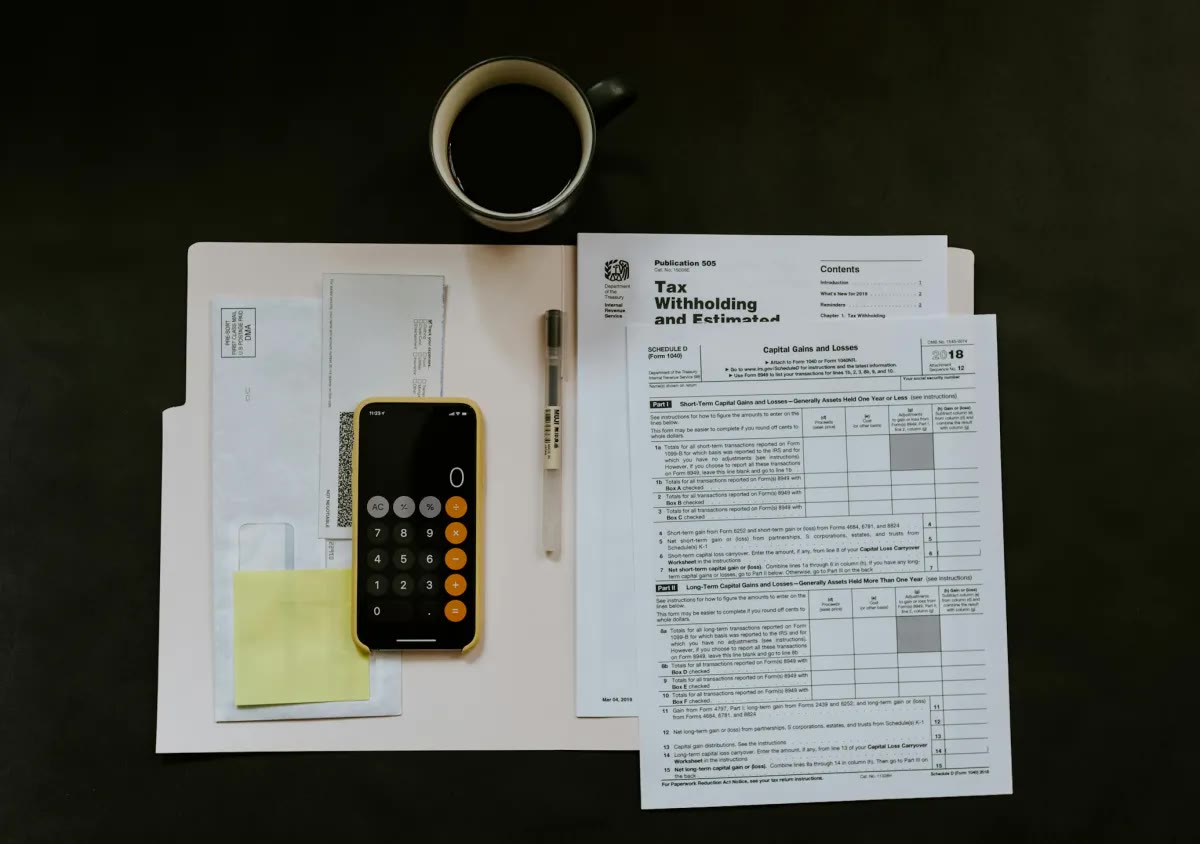
Right after "how long does this take", every buyer asks "what is it going to cost?". The honest answer has two parts: the third-party fees you pay advisers, and the hidden cost of the reading time it takes you or your team. This guide breaks down both, by deal size, so you can budget diligence and decide where the money is actually worth spending.
Quick answer: For a small, owner-operated business, plan on roughly $10k to $40k in third-party diligence costs, mostly a quality of earnings report and legal review. For a lower-middle-market deal ($5M to $50M enterprise value), expect $50k to $200k or more once you add commercial, IT, and tax workstreams. The quality of earnings is almost always the single biggest line item, and your own reading time is the cost nobody puts on the invoice.
Typical diligence cost by deal size
| Deal size | Typical third-party diligence spend | Biggest line items |
|---|---|---|
| Micro / SMB (under $5M EV) | $10k to $40k | Quality of earnings, legal |
| Lower-middle-market ($5M to $50M EV) | $50k to $200k+ | Quality of earnings, legal, commercial / IT |
| Larger / sponsor-backed ($50M+ EV) | $200k to $1M+ | Multiple specialist workstreams |
These are working ranges. What you actually spend depends on how much you outsource, how messy the target's books are, and how many specialist reviews the deal needs.
Where the money goes
Quality of earnings (the biggest line). A QoE normalizes the numbers and tests whether reported earnings are real. It typically runs $10k to $25k for a small deal and $25k to $75k or more for a lower-middle-market one. It is the most important spend in diligence, because it is what stops you from paying a multiple on earnings that were overstated. It is also where a QoE differs from a full audit, which costs more and answers a different question.
Legal. Purchase-agreement drafting and negotiation, contract and lease review, corporate and IP checks. Roughly $5k to $15k on a small deal, $25k to $100k+ on a larger one with more contracts and more negotiation.
Specialist workstreams (deal-dependent). Commercial or market diligence, IT and cybersecurity, environmental, insurance, and tax structuring. Small deals usually skip most of these; larger deals add them as the risk warrants.
Your own time (the hidden cost). Before you pay anyone, someone has to read the CIM, the data room, and the contracts, and cross-check every claim. On a small team that is days or weeks of your most valuable time, and it does not show up on any invoice, but it is real.
What drives the cost up or down
- ✓Deal size and complexity. More revenue, more entities, and more contracts all add hours.
- ✓How much you outsource. Doing the first-pass reading yourself trades cash for your time. Outsourcing everything trades your time for cash.
- ✓Quality of the books. Messy financials mean more QoE hours, which is billed time.
- ✓Number of workstreams. Each specialist review you add is another fee.
How to control diligence spend without cutting corners
- ✓Screen hard before you spend. The most expensive mistake is paying for a full QoE on a deal that should have failed a quick screen. Kill weak deals before the meter starts.
- ✓Do the first pass yourself, reserve advisers for confirmation. Use paid experts on the deals that survive screening, not on every teaser.
- ✓Automate the document read. Due diligence software that returns a cited brief, where every figure traces to its source page or gets cut, cuts the reading hours, both yours and an analyst's, so you spend cash only where judgment is actually needed.
- ✓Match the spend to the risk. A clean, simple business does not need every specialist workstream a complex one does.
The goal is not the cheapest diligence, it is the right diligence: enough rigor to avoid a bad deal, without paying for work the deal does not warrant. Screening hard and automating the reading is how you get there.
Frequently asked questions
How much does due diligence cost for a small business acquisition? Plan on roughly $10k to $40k in third-party costs for a small, owner-operated business, mostly a quality of earnings report and legal review. It can be less if you do more of the first-pass work yourself, and more if the books are messy or the deal needs specialist reviews.
What is the most expensive part of due diligence? For most deals, the quality of earnings analysis is the single biggest third-party cost, followed by legal. On larger deals, specialist workstreams like commercial, IT, and tax can add up to more than either.
Can you do due diligence without spending a lot? Yes, to a point. Screening hard so you only pay for diligence on deals worth closing, doing the first-pass reading yourself or with automation, and reserving paid advisers for confirmatory work all cut the cost. The one place not to cut is a quality of earnings on a deal large enough to warrant it.
Is a quality of earnings report worth the cost? For most deals above a small threshold, yes. A QoE is the check that catches overstated or one-time earnings before you pay a multiple on them. The fee is small next to the cost of overpaying for a business whose earnings were not what they looked like.
See where the reading cost goes
The line nobody invoices is the reading. See a live cited brief of how Deal OS turns a CIM or data room into source-cited findings in minutes, or try it on a deal that looks like yours, so the expensive page-by-page read is not what sets your budget.
📚 Related Resources
Get the 45-Point Acquisition Diligence Checklist
The complete pre-close checklist search funds, independent sponsors, and micro-PE buyers use to verify a business before they sign, free, and yours in one click.
Get the free checklist →Already have a CIM in front of you? Run your first CIM free and read the full cited brief today. No card, no subscription, no sales call. Each further CIM is a one-time $99.